
Ideation Process
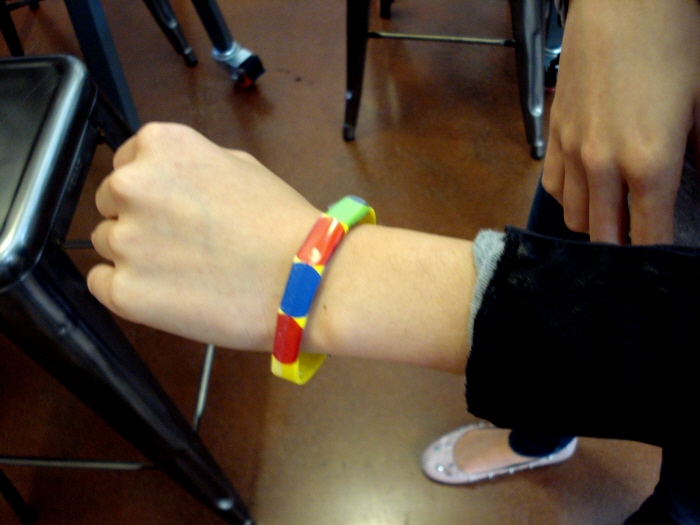
Initial Milestone Bracelet Prototype
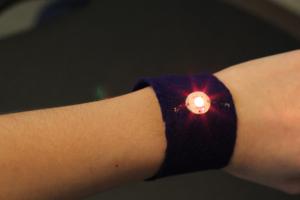
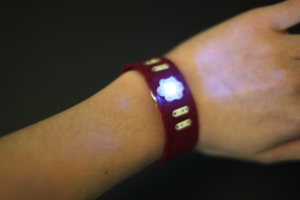
Working prototype of status band with red LED (red means rescuer is in danger)
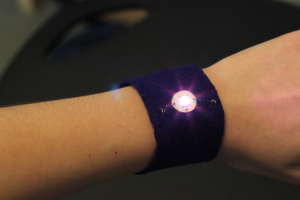
Blue light means rescuer is safe
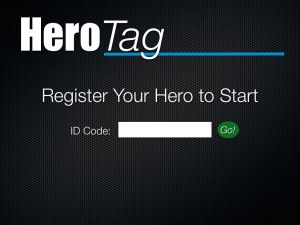
HeroTag app layout. With each set of bands come codes for the individual rescuer.
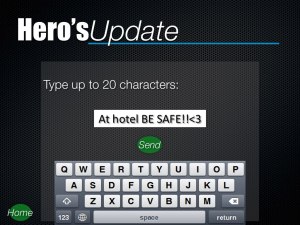
The family member/loved one can send a message that will be converted to radio message and displayed on the bracelet.
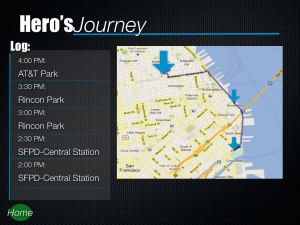
With the journey feature, the hero's location and movements can be tracked. Cities will be interested in the locations of first-responders in disasters.
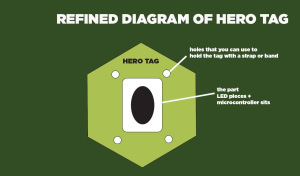
Diagram of final version of Hero Tag band
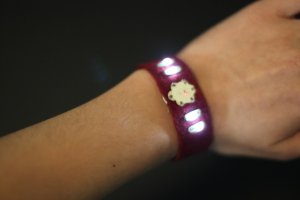
When message appears, middle light will light up and air-text message will flash rapidly, leaving an imprint on the eye and the message can be read. This technology is currently being used by the US Airforce
Outer lights light up in this version to indicate a message.
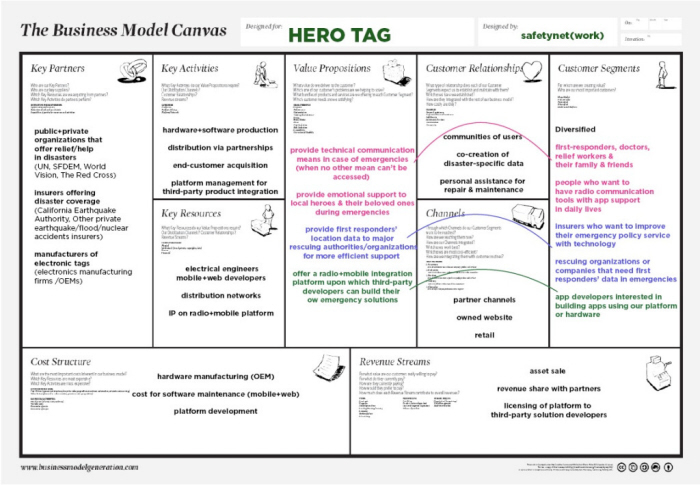
The business model of the Hero Tag.
gLike
Human Factors in Design: HeroTag

Stanford University: Human Factors in Design, Autumn 2012. This group project revolved around Disaster Preparedness under the guidance of IDEO consultants and their clients: San Fransisco Departament of Emergancy Managment. The project was to improve the ways San Fransiscans prepared for a disaster or better equip them to deal with a disaster. Our target user was first-responders: people who were obligated to stay in a disaster (firemen, police, doctors, etc...) while their family might have to evacuate. After research interviews with Stanford Police, Doctors, and Firefighters, and user testing and prototypes, the HeroTag was created. This band combines bracelet technology and an iPhone app to better help separated families communicate and update each other on their level of safety.

Sidharth Kumar
Student: Stanford University Stanford, CA